Sunshine and succulence


Cotyledon orbiculata var. oblonga macrantha

So familiar that it has gathered around it an entourage of common names (pig’s ears, paddle plant, navelwort) this sturdy and humble succulent is a survivor. It can cope with South Gippsland winters (although only happily if it is kept safe from frosts and its root run is not sodden) and it thrives in Melbourne where I have it growing under the eaves where it flourishes on it’s thick stem and its fleshy, vibrant leaves shine. I find that if it gets too much moisture in the winter, its leaves can become spotty and its flowers are less strident. Hence the eaves, or maybe under trees as long as it has access to a goodly amount of sunlight. This makes perfect sense, when you remember that it comes from southern Africa, where it is found in hot, free draining locations, like rocky hillsides and cliff faces and in the sand of coastal flats. Check out the links below if you want to find out more.

http://www.amjbot.org/content/92/7/1170.full

http://www.thesucculentgarden.com.au/index.html

http://www.operationwildflower.org.za/index.php/albums/genera/cotyledon/cotyledon-orbiculata-var-oblonga-637


Sweet Daphne

Daphne was a water nymph (Naiad) who caught the eye of Apollo. He chased after her. To avoid God knows what injury, she sensibly turned herself into a bay tree (Laurus nobilis), which Apollo mooned over thereafter. This is an archetypal representation of the pursued and the pursuer in relationship: if they’re running away from you and never turn around to chase you back, then they’re probably not that into you, as the saying goes.

When it came to giving a common name to this family of precious shrubs from Asia, it was no doubt decided that as the leaves of some of the species resembled the bay leaf and as the beauty of many of the species resembled an irresistible Naiad, that this is after whom it should be named.

A favourite of home gardens in southern Australia, the sweet daphne (Daphne odora) outshines all other winter flowering fragrant plants. Its spicy citrus fragrance is distinctive in the cold air and when brought inside in a generous bunch the warmth empowers the scent. Whenever I catch a whiff, I am transported back to my grandmother’s South Gippsland garden.

The inflorescences come in bundles of white flowers and each flower is made up of four tepals (petal and sepal combo), and each petal is backed with cerise. They are usually borne amidst the leathery green foliage from July to September. There are varieties that have variegated leaves and some with pure white flowers.

IMG_5247

They are known to be a little bit fussy. I would say good drainage in acidic soil with an easterly prospect, if you can find the space, is best. Others suggest dappled light. And give it a very light tip pruning every year and pick many bunches as gifts and to cheer up the house. This will help it to stay in some shape. For they can become unruly and untidy if left to their own devices. It will need to be fertilised too, so that the leaves stay glossy and green and not lank and yellow. A regular supply of water in dry weather will help it to stay strong and resist attack from such pests as scale.

In design it is best used in a mixed border. It is not a very interesting plant to look at for most of the year, so it is good to have something more fascinating to look at in the vicinity, but don’t let the daphne be overpowered by other plants in the summer months, as it will restrict its growth and flower production the following season.

And have them growing somewhere where you walk past them every day, so that its scent can astound you each day of winter and transport you to the moment you were first aware of it as a garden plant.

Autumn Break

It might feel like winter, but it is only really autumn and the weather over the past few days in the Strzelecki Ranges, relentless rain and wild wind, have been the archetypal Autumn Break, the point at which the rains come to punctuate the progression of the seasons. It seems late this year. I was recently told that if we don’t get the break by Anzac Day we are in for a dry season. However, it might have been later than usual, but the Break’s heavy downfalls over the weekend could only herald moist conditions ahead.

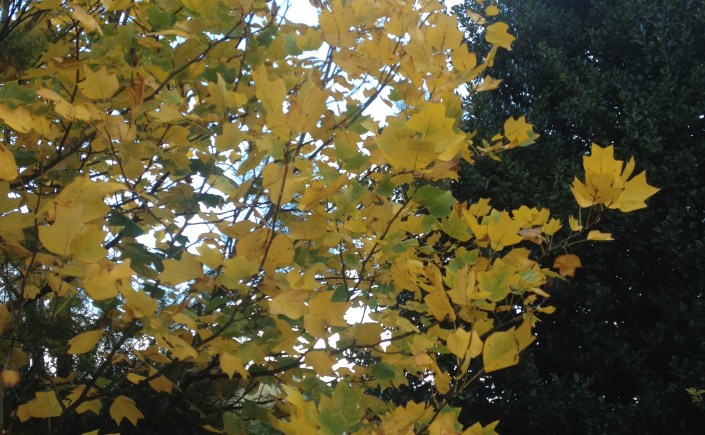
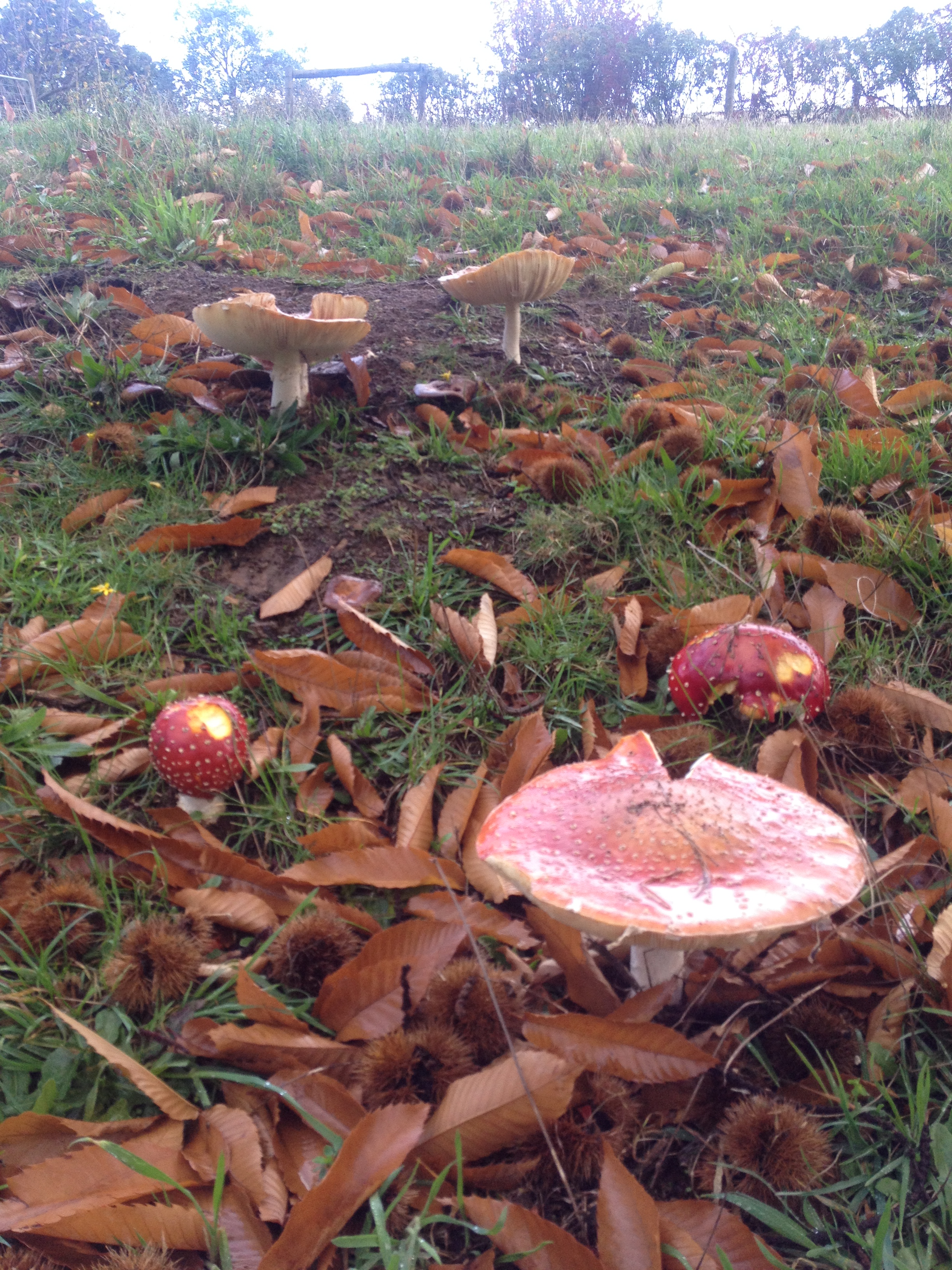
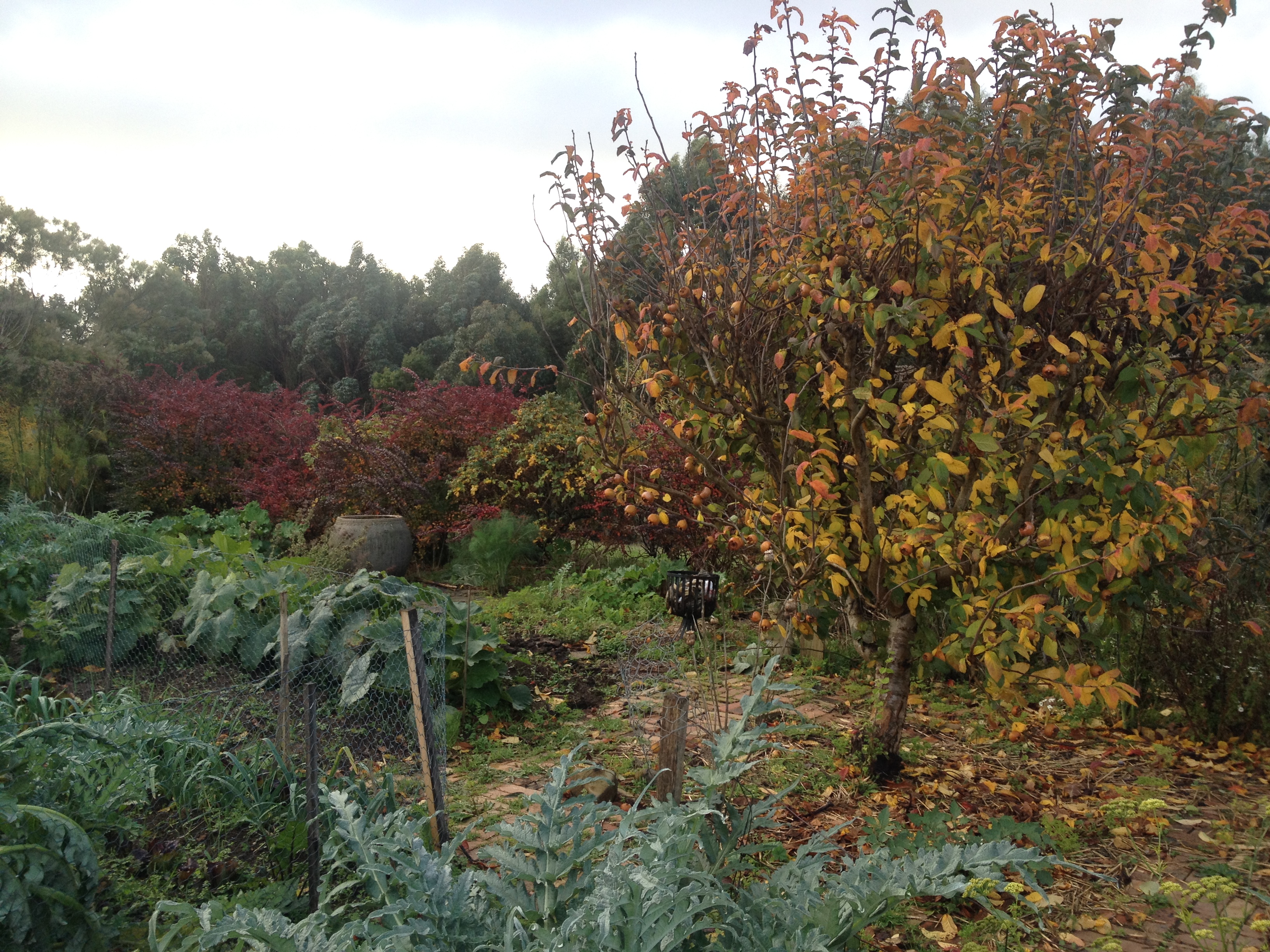
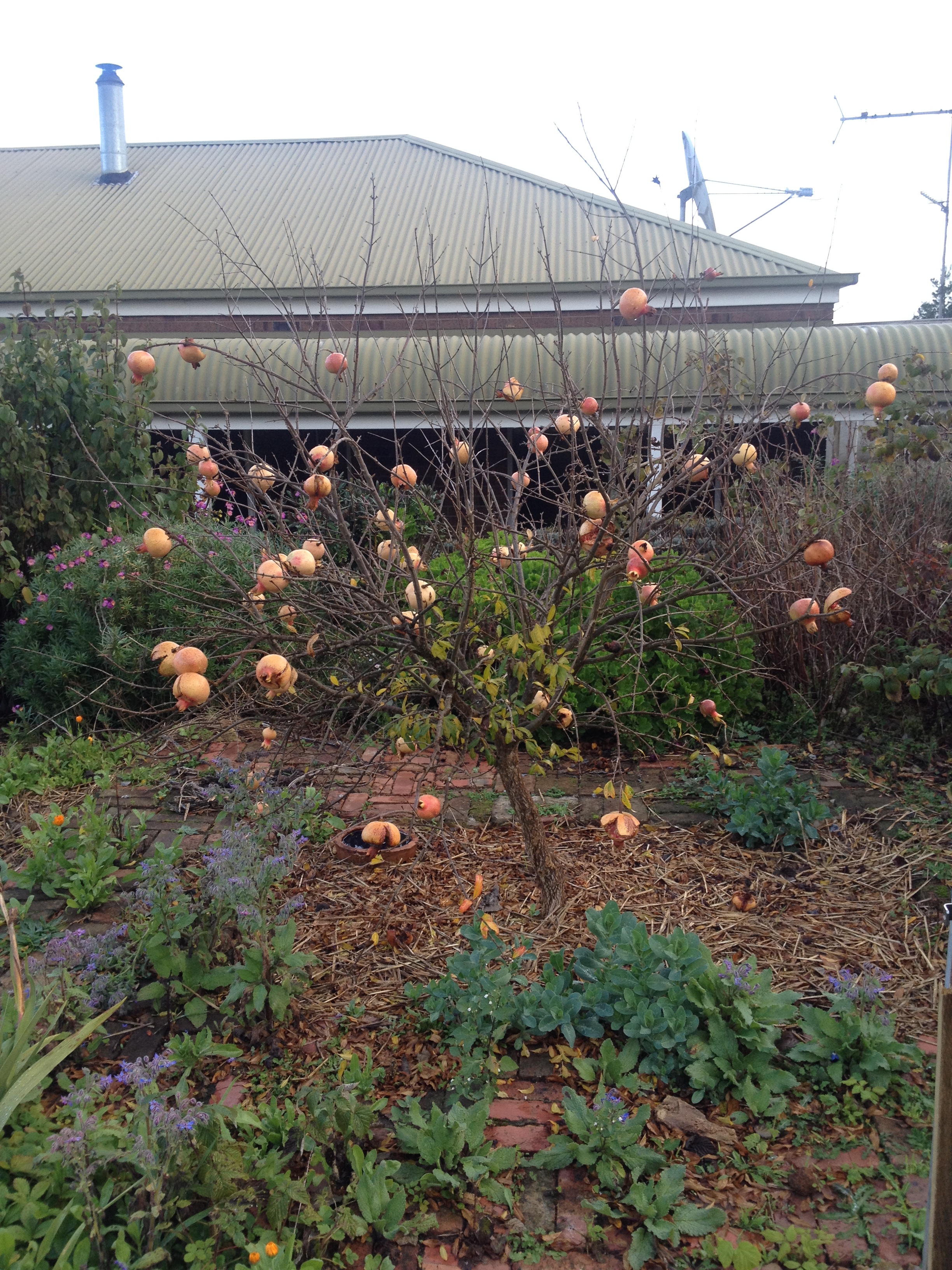
The images below are classic autumn fare: Gingko biloba against a background of evergreens; a seedling Acer palmatum that steals the show despite its humble origins; Liriodendron tulipifera, whose Autumn foliage is even more spectacular than its marvellous flower; Fly Agaric growing under the Castanea sativa, Mespilus germanica fading away brilliantly in the veggie patch, Punica granatum fruit stranded on bare branches.

These photos were all taken at Clear Springs, Mirboo, where despite the gloomy skies, there was enough colour coming from the changing foliage and the flowers of camellias and chrysanthemums to remind us of the sun, hidden somewhere, up there behind the clouds.

IMG_5051 IMG_5052 IMG_5053 IMG_5054 IMG_5056 IMG_5057 IMG_5058

It’s the wrong time to prune fruit trees

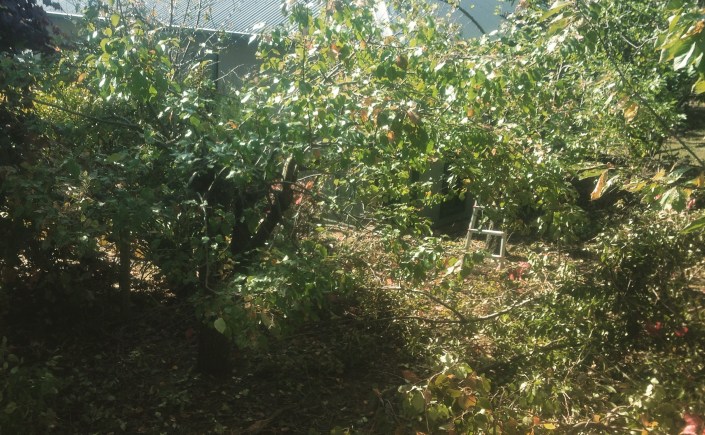
My biggest task in the garden I was working on in Boolarra last week was to bring to heel some rather exuberant fruit trees in an orchard that has not been pruned for quite a few years. I am not even sure all the trees are on dwarfing rootstock, so their capacity for growth knows no bounds. I chose to prune them now, the wrong time, in an attempt to knock a bit of vigour out of the growth of the trees. We will see how well that works. I will keep you updated.

Basically I cut out all the staunch upright growth with my handy little pruning saw and tidied up crossing branches and dead wood with my secateurs and loppers.

From the picture you can see it was a classic autumn day. The clippings went to the cows, who love fruit tree leaves (as well as fruit, apples in particular). The lopped branches will end up in a piece of rustic fencing at ‘Clear Springs’.

Autumn Days

Autumn days are best. The sunlight has become less intense. Colours are not washed out in the garden as they were over summer. Colour comes in the flowers and the foliage, some of it new and fresh, some of it old and changing colour and soon to be gone. There is a hint of melancholy as the days shorten and the air cools in the evening earlier. But there is so much still happening in the garden that there is plenty to distract the mind from wintry thoughts.

IMG_4924

Pineapple Sage (Salvia elegans), so understated for the rest of the year comes into its own in autumn. I have it planted in a thicket of shrubs that is being strangled subtly by an ornamental grape (Vitis spp.)

IMG_4912

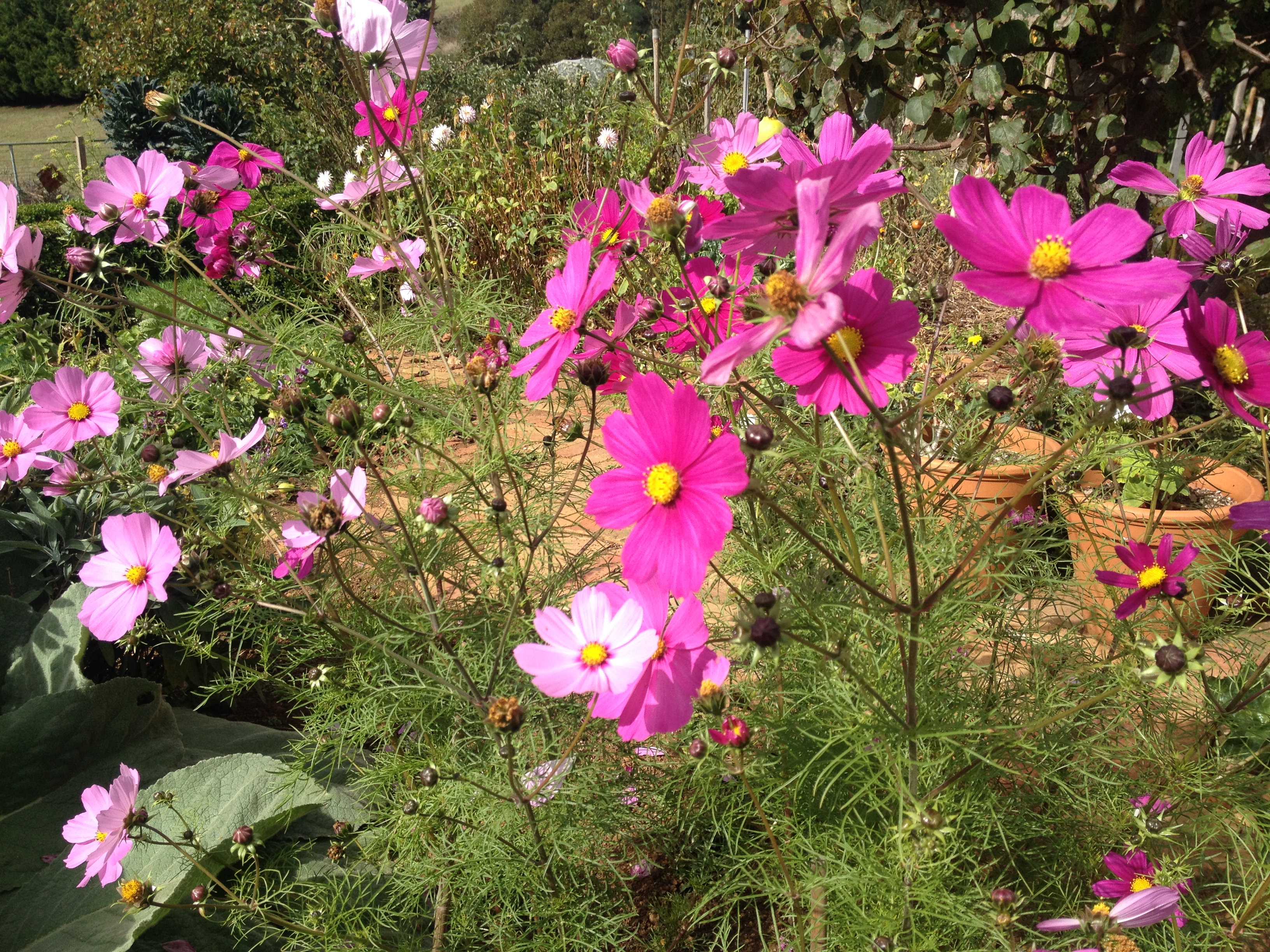
And this little patch of Cosmos in the vegetable garden is from seeds I gathered last year. It has replaced the dahlias which have suffered with the drier conditions.

Melbourne International Flower and Garden Show

'Equilibrium' by Nathan Burkett Design

‘Equilibrium’ by Nathan Burkett Design

The Melbourne International Flower and Garden Show is an exciting celebration of the horticultural industry in Victoria and is adored by professional and amateur gardeners and garden lovers who flock in large numbers every year to see the latest design gardens, products, and plants.

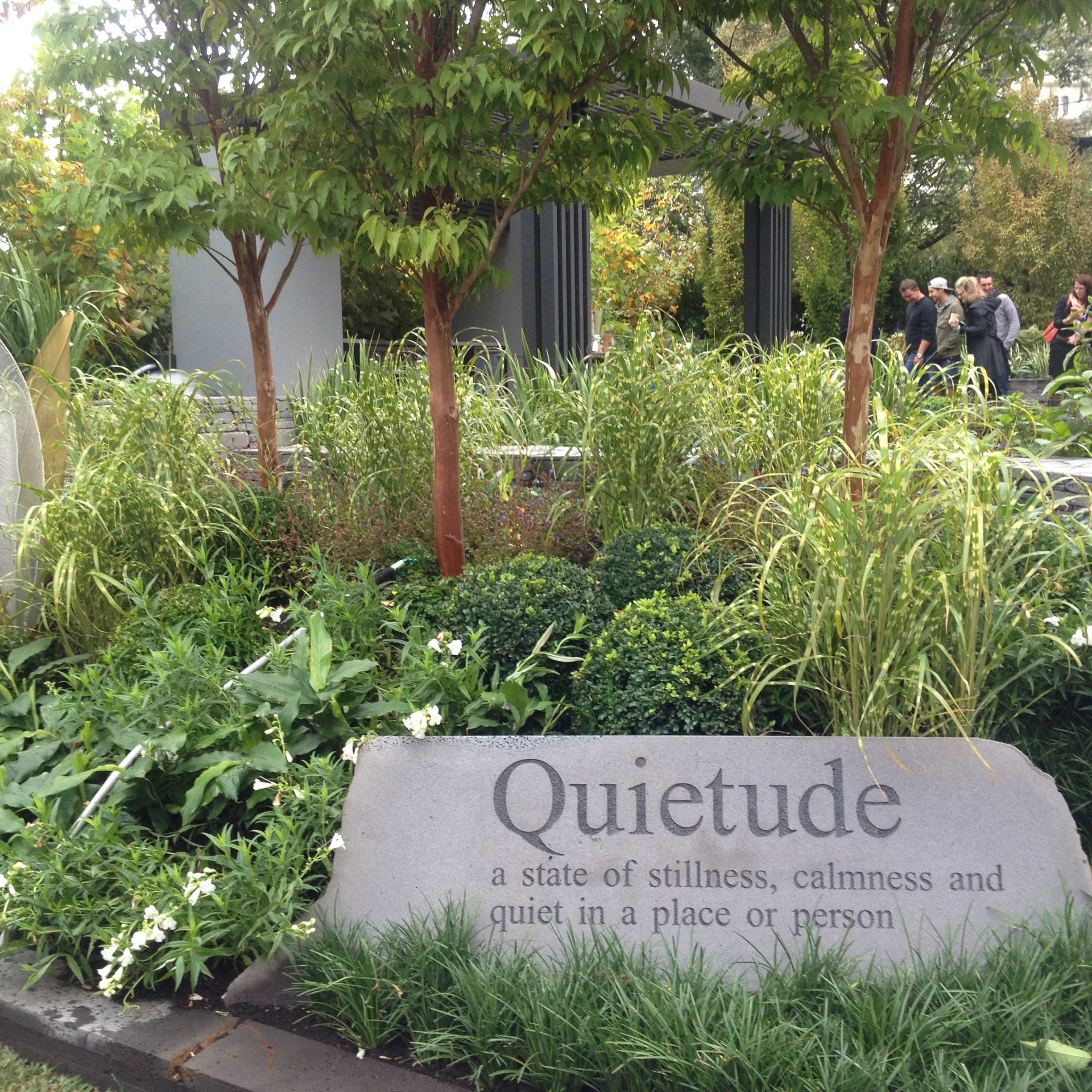
'Quietude' by Cycas Landscape Design and Lisa Ellis Gardens

‘Quietude’ by Cycas Landscape Design and Lisa Ellis Gardens

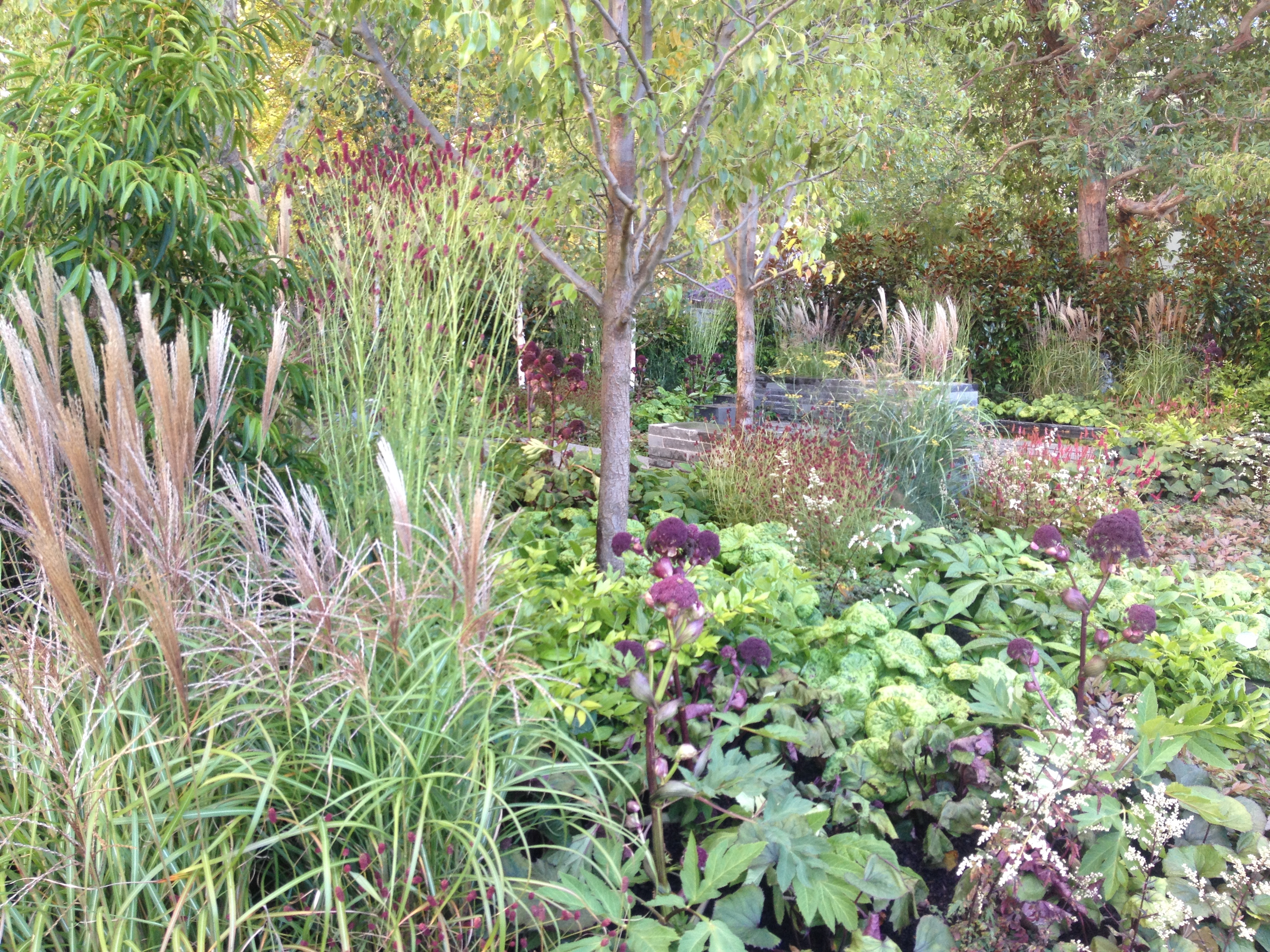
The show gardens are my favourite thing to see. I am always astounded by the amazing planting and design ideas. And sometimes I just stand there wondering how they did it. How in a very few days are they able to assemble gardens that realistically would take months if not years to achieve in the real world? The skill involved in creating these show gardens is extraordinary. My favourites have been included above and below.

"Crossroads" by Ian Barker Gardens

“Crossroads” by Ian Barker Gardens

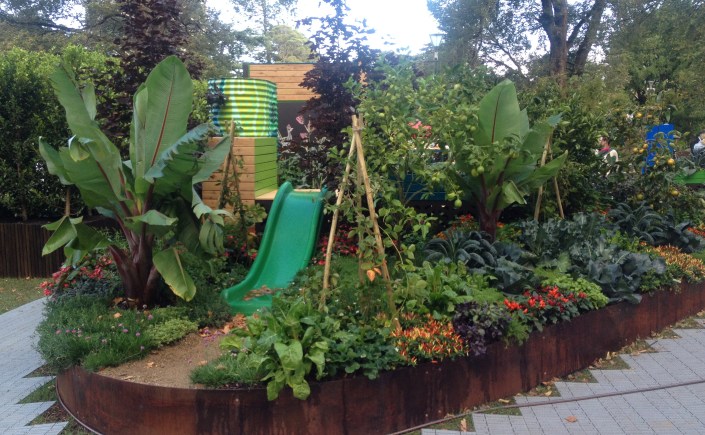
And the organisers of the Show realise that the show gardens are really unachievable for the majority of gardeners, or at least their budgets. Hence the other competition gardens that are much smaller and known as the “achievable” gardens. These were also highly inspiring. They are achievable in the sense that the home gardener would be able to create something like them, with reasonable budgets and readily available materials. My favourites were the ‘Rousseau Jungle’ by Heather Forward and ‘The Crossroads’ by Ben Newell.

'The Crossroads' by Ben Newell

‘The Crossroads’ by Ben Newell

IMG_4787

‘Rousseau’s Jungle’ by Heather Forward

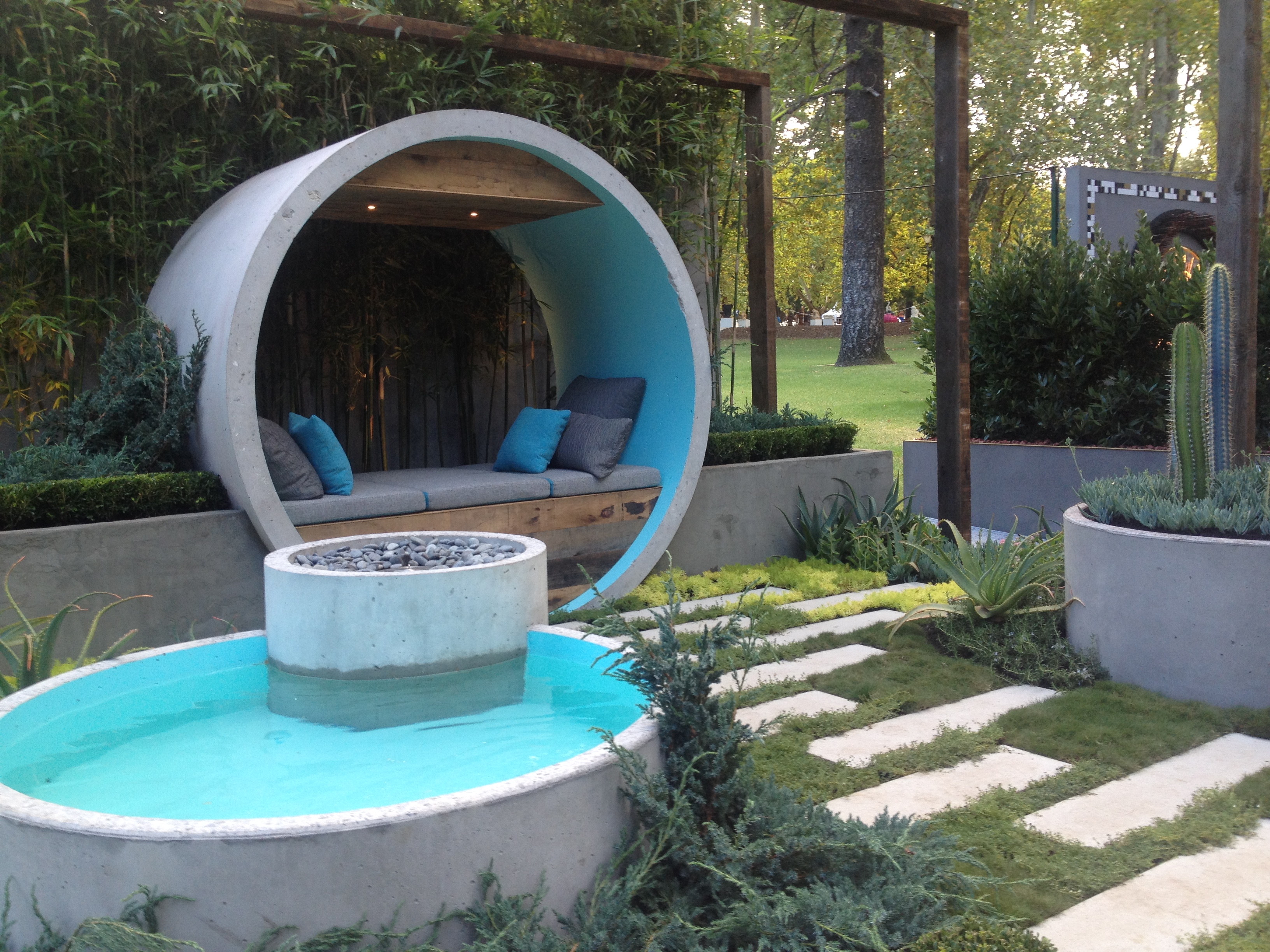
Another category was the boutique gardens, which fits somewhere in aspiration and budget somewhere between the other two categories. I liked the winning entry ‘Pipe Dreams’ by Alison Douglas.

'Pipe Dreams' by Alison Douglas

‘Pipe Dreams’ by Alison Douglas

And of course there are the amazing flower arrangements in the Exhibition Building, which are amazing and creative and are inspiring to the gardener in many ways, including in the colour and texture combinations that the florists come up with.

There are also some great displays by businesses who are there to promote their products, including nurseries. These are always the greatest temptation and I see gardeners walking away with trolly loads of plants. This year, I was able to restrain myself and I only bought a few corms species tulips. Thankfully I had travelled to the show on my bike!

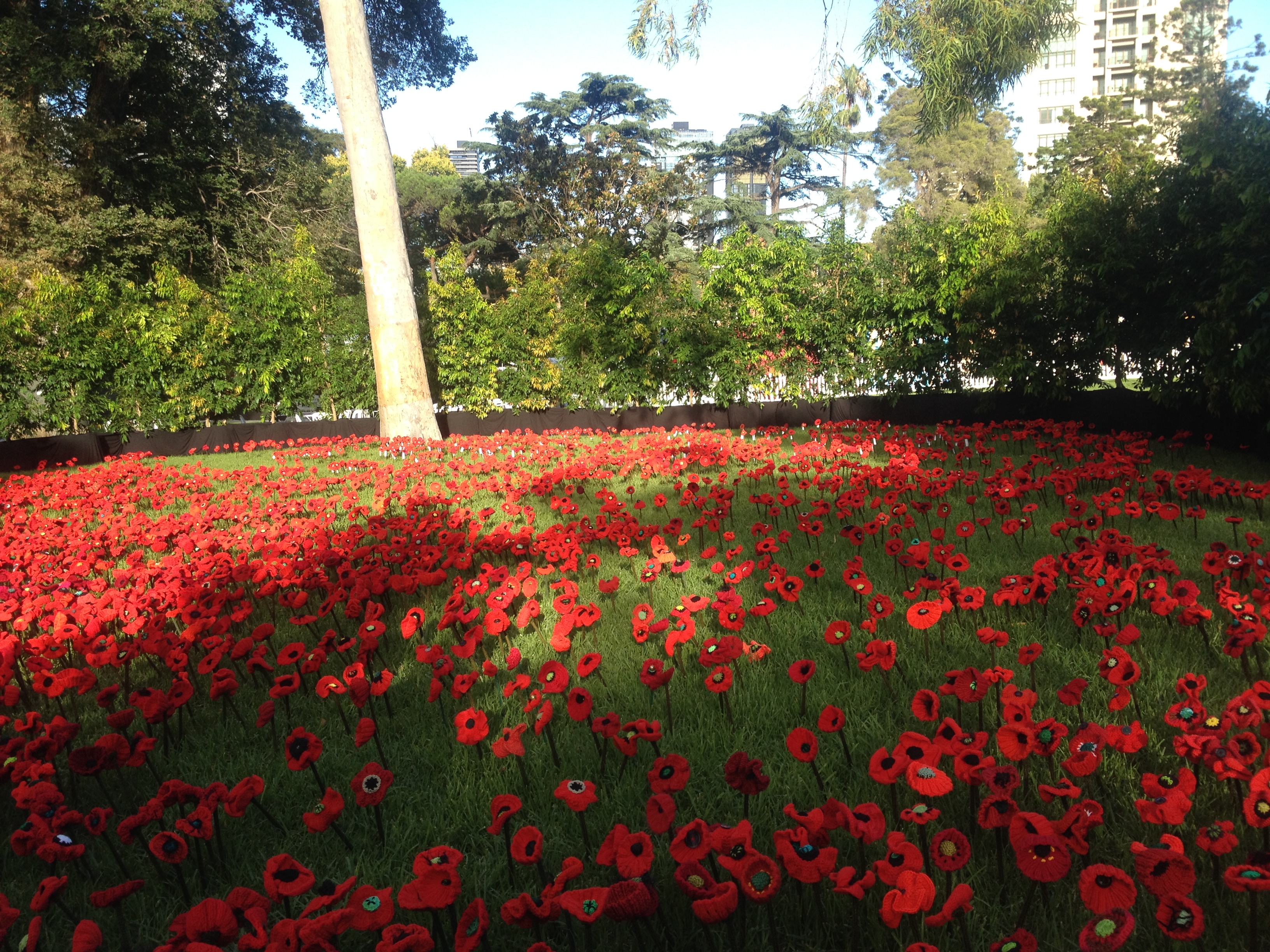
Phillip Johnson's field of poppies.

Phillip Johnson’s field of poppies.

Check out the winners and other information about the show at http://melbflowershow.com.au

Oh my word, it’s apple picking time…

“The ripe, the golden month has come again … and from the cider-press the rich brown oozings of the York Imperials run…” Thomas Wolfe

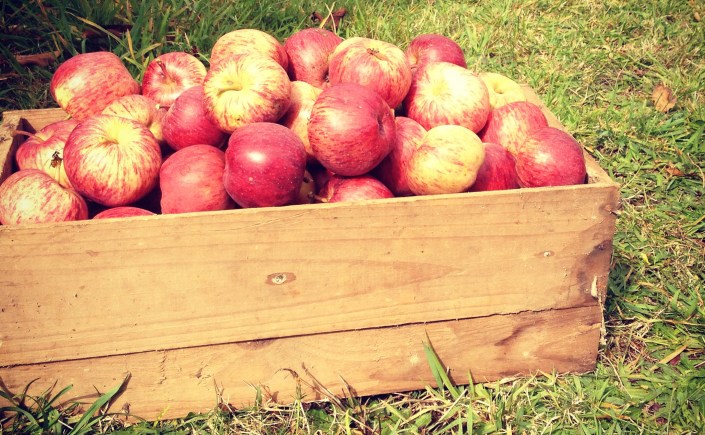
I don’t know much about York Imperials, but I do know that Cox’s Orange Pippin is one of the best eating apples in the world. It has a vivd sweetness that is relieved by a pleasant sourness that with the crunch and ooze of the first bite, brightens up your palate. Eating fresh apples is such a pleasure. I have eight different varieties growing in my orchard and I love moving from one tree to the next at this time of year munching and comparing sweetness and colour and texture and flavour of the Cox’s with the Snow Apple and the Jonathan and the Red Delicious. It’s not an expansive collection, but it is full of the varieties I love.
Adam picks with the help of Elaine, every single apple from the tree.

Adam picks, with the help of Elaine, every single apple from the tree.

There are eight apple trees in our orchard, which means a lot of apples. More than we can eat. More than we can preserve, store and eat. As the trees have slowly matured over the years, I have been noticing the increasing harvest sizes and have been wondering what to do with them. Giving them to a food charity is one option (and I plan to give some of the bounty to Open Table https://www.facebook.com/opntbl/info?tab=page_info). Cider is the other option.
The back of the old ute with our crop of Cox's ready to head to Margaret and Peter's.

The back of the old ute with our crop of Cox’s ready to head to Margaret and Peter’s.

My friends Peter and Margaret are excellent home gardeners and they too have some lovely apple trees such as ‘Lord Lambourne’ and we have been talking for a while about turning these luscious fruits into something a little bit more alcoholic than apple pie and apple strudel. This year, after discovering the most wonderful shop in Melbourne, if not the world, Costante Imports in Bell Street Preston, where we purchased the appropriate equipment (<http://www.costanteimports.com.au&gt; No, don’t check them out yet, we’ll never see you again), we decided that the only thing holding us back was inaction.

So we acted. The following photos tell the story of how we picked, cut up, scratted (i.e. crushed) and pressed all the apples from my Cox’s Orange Pippin and how eight hours later we put the caps on two carboys that contained all up 62 litres of apple juice ready to be fermented into cider. There are a few scientific sort of things we had to do after that. I will let you find out that stuff online, as we did, because I am sure that others can explain the process far better than I can.

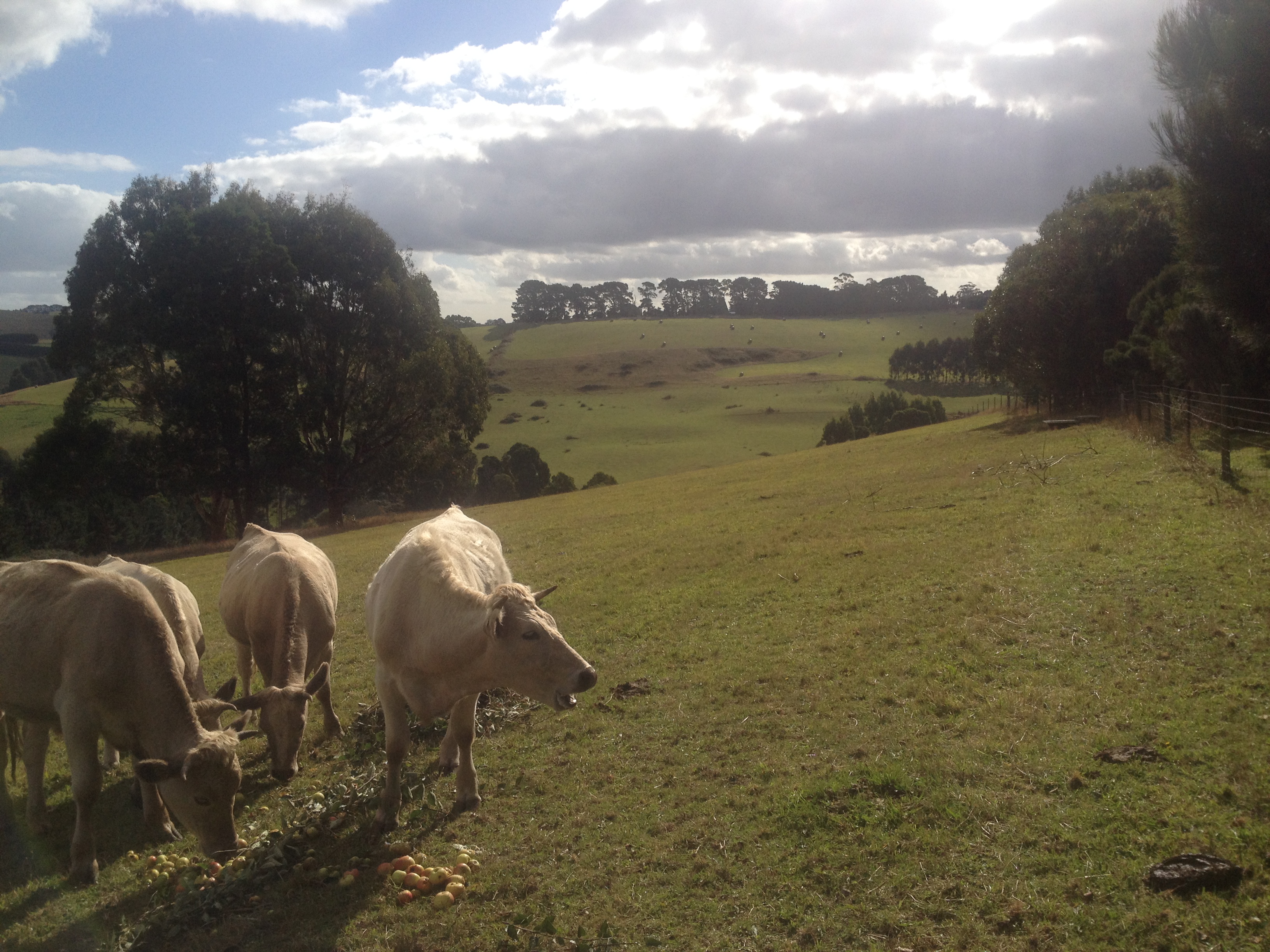
The cows were very happy to feast on the apples that were too damaged to press.

The cows were very happy to feast on the apples that were too damaged to press.

The cutting of the apples.
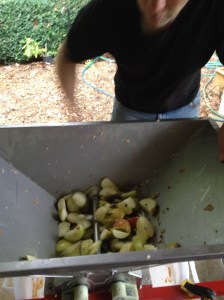
The cutting of the apples.

The scratting of the apples.

The scratting of the apples.

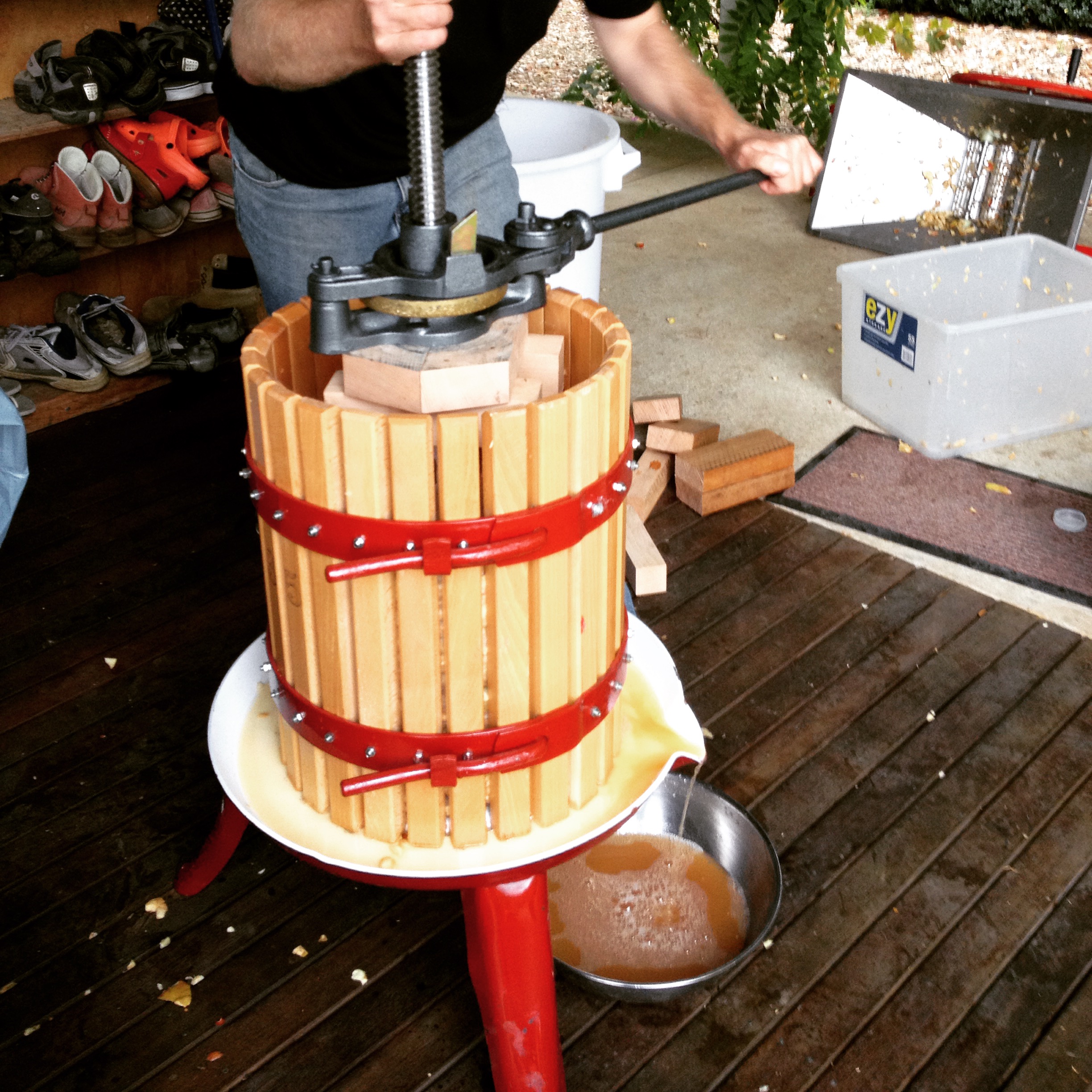
The pressing of the apples. See the lovely juice flowing into the bowl. It took a lot of elbow grease. Margaret proved to be the best presser of the three of us, I will concede.
The pressing of the apples. See the lovely juice flowing into the bowl. It took a lot of elbow grease. Margaret proved to be the best presser of the three of us, I will concede.

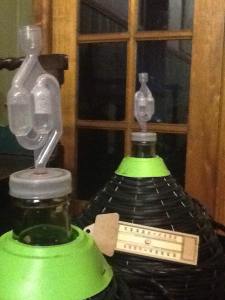
This is Peter's photo of the carboys that contain the juice, which now, thanks to the addition of some brewer's yeast, is busily fermenting.

This is Peter’s photo of the carboys that contain the juice, which now, thanks to the addition of some brewer’s yeast, is busily fermenting.

So that’s one tree taken care of. I have good crops on at least five of the remaining apple trees. I am not sure if we will make another batch of cider this year, but I will definitely be storing a good selection of the rest of the apples in boxes in cupboards and sheds, to keep me going for the next five or six months (they keep really well in cool dark places in shallow boxes).

So the York Imperials might delight the cider makers of Virginia, but in South Gippsland, Cox’s Orange Pippins are our first choice for cider making. For now at least. We will be planting some actual cider apples this year. But that’s another story.

Until then, enjoy your apples and enjoy this poem by a Melbourne born poet who knew that apples, like all of us, can improve with age.

 “A dish of apples, two are large and smooth,

The third smaller. Its skin, my fingers learn,

Has just begun to wrinkle. So I choose it:

The fruit inside is likely to be sweeter.”

Philip Martin from Fruits of Experience

Sunny Autumn Day

IMG_4595

Robinias were a favourite of mine back in the nineties, when they seemed to be in fashion. Bright and cheerful, the golden leaves of the cultivar Robinia pseudoacacia ‘Frisia’ were and are a joy to behold. But there is more to this medium tree than colour. Sauntering through Batman Park in Melbourne yesterday, I came across this specimen, which has the most elegant form. The sinuous spreading of the limbs as they curve upward into the foliage was captivating. The sun in the golden leaves simply amplified the brilliance of the sunshine of the perfect autumn day.

Water

DSC_0001

Gardening in South Gippsland is a pretty easy business compared with much of this arid continent. We have reliable rains regularly throughout the year and really only have to water consistently from mid summer through to early Autumn and even then we can be lucky and have the occasional downpour that perks everything up. Like we have had in the past few days.

Nevertheless, when you are gardening on the top of a hill and you have free draining volcanic soil as your growing medium AND when you are prone to high thirty degree celsius temperatures (or worse) for days on end, supplementary watering is necessary especially for vegetables and some perennials and of course if you want the grass to stay green.

I am fortunate, in that I can pump water up from a dam and give everything a good soaking a couple of times a week (in the evening so that it has a chance to soak in). Then I top up the vegetables with hand watering from a tank, in between times. Also, I take steps to make sure that the water stays put for as long as possible. I mulch and enrich the soil with moisture absorbing humus in the form of compost and manure. I have also planted low hedges around the vegetable garden and trees out in the paddocks to help to minimise the wind.

How do you keep your garden growing over the dry spells?